
リノベーションを学ぼう
中古戸建てを購入してフルリノベーション
 中古戸建てを購入してフルリノベーションを行う事では、特に中古として販売している物件は資産価値がかなり減っている物件となっていて、それこそ戸建てで購入する上でかかる費用などを考慮すると、リノベーション費用を含めてもかなり安く生活を行う事が出来ます。
実質新築で購入する金額の3分の1ほどのコストで購入出来る状況となり、更にフルリノベーションを行ってもらう事によって、それそれ最新式の設備で生活を行う事が出来ます。
戸建てで生活を行うとどうしても古くなって汚くなったり色々と問題となる部分も増えて行きます。
生活を行う上で特に住み良い設備での生活を行う事では、まずは建設業者などに依頼を行って最新式の設備を中古で買った物件に行うと良いでしょう。
そう言った仕組みによって、安く買って生活を行う部分と新築での比較を行ってみると中身の部分としてはそれ程遜色なく生活を行える状況であり、戸建てに関してのフルリノベーションではそれぞれに生活を行う部分に置いて最新での設備を取り入れてもらう事が出来ます。
外観に置いても整備してもらえる事となりそこで新築と変らない状況など考えて依頼を行えるなどコストを安く物件を手に入れる事が出来ます。
戸建てのフルリノベーションの流れ
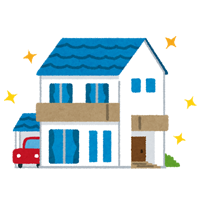 戸建てのフルリノベーションを行う場合、部分的リノベーションとは異なりとても大がかりな工事になるため、全ての荷物のお引っ越しが必要となります。
まずは工事にかかる見積もりを出してもらう事が最初になります。
見積もりの金額によって設備の見直しをおこなったり、追加工事を行う、間取りの変更などをこの時点でおこないます。
フルリノベーションになるため、内装から外壁もすべて取り壊してスケルトン状態(構造柱のみ)となり、住む事は不可能となってしまうので一時転居先を探す必要もでてきます。
業者によっては、工事期間の引越し先の斡旋、荷物を保管しておくためのトランクルーム等の保管場所の斡旋、引っ越し業者の斡旋までを一手に引き受けてくれるので予め確認しておきましょう。
工事の内容が決まり次第契約となります。
契約後の流れは、お引っ越しが済み次第既存設備等の撤去に入ります。
スケルトン状態にした後に基礎や躯体(柱など)の状態が悪く追加の工事を施さなければ工事が進められない事もありますので、見積もり段階でその場合にどうように対応するかを担当者と話しておくと安心です。
工事を進めるうえでイメージが違った、これは必要なかったなどの変更がでる場合があります。
戸建てのリノベーションは面積も広く、工事個所はマンションと違って多くなります。
少しの変更でも費用がかさんでいくので、予算内で収めたいと考える方は工事契約前に時間をかけても納得するまで打合せする事が大切です。
中古物件を購入してリノベーションをするのがお得と言われる理由
中古物件を購入してリノベーションをするのがお得になると言われますが、それは資産価値の下がり方が穏やかであることも関係しています。新築の物件を購入するとあっという間に1~2割も減ってしまいますが、中古の場合にはゆっくりと下がりますので損をしたような気持にはなりません。
特に築20年程度が経過しているマンションの場合には、大きく下がることがありませんのでとてもお得に感じます。そういった物件を購入してリノベーションをすれば、間取りも自由に変えることができますし、設備等も新しいものに変更するだけで住み心地の良い住居を手に入れることが可能です。
築年数が古くても購入した人のセンス次第ではモダンな空間を作れるため、リノベーションは予算を抑えて理想的な家を手に入れるために最適な方法だと言われています。
実際に中古の物件を購入してリノベーションをした場合、新築の3分の2程度の費用に抑えることができますので、資金的に新築が難しい人でも手が届く可能性があります。
理想の家を手に入れるためのリノベーションの方法
理想の家を手に入れるためのリノベーションの方法には色々なものがあります。例えば、大掛かりな変更を加えたい時には、一度床や壁を取り払って間取り自体を変更することがあります。
そうすることで、住む人の暮らしやライフスタイルに合わせた住宅を作ることができますので、購入時の間取りを気にしなくて済むのが大きなメリットです。
リノベーションでは、必要に応じて配管や配線等のインフラを整えることもできるため、ただ単に見栄えを良くするだけでなく質の面も向上させることが可能です。壁紙を貼りかえるのも一般的な工事となっていて、購入時よりも機能を向上させるために最新の設備を導入することも珍しくありません。
その結果、築年数はかなり経過していても最新の設備を利用することができますので、住み心地の良い家を作ることができます。
最近では物件の購入価格を抑えて、浮いたお金でフルリノベーションをするケースも増えています。フルリノベーションをする場合、構造躯体だけを残して家全体を刷新できるのが魅力です。
個性的な家を作りたい時にはリノベーションが便利
一般的によく見かけるような家でなく、それぞれの持つ個性を活かした家づくりをしたいと考えている場合には、中古物件を購入してリノベーションをするのがお勧めです。元々は珍しいつくりにはなっていなくても、リノベーションをすることで理想的な空間にすることが可能です。
施主の要望をしっかりと取り入れるためには、実現するための技術を持つところに依頼しなければなりません。どのような家づくりをしたいのかを明確にしたら、それらの細かな要望を条件としてまとめて提示することで、実現可能なものと不可能なものとに分けることができます。
実現可能なものが少ない場合には、プロの目から見ると難しくて手間のかかる要望になっている可能性がありますが、同じような手法を取り入れている家を見かけたことがある場合にはただ単に技術力が低いだけのこともあります。
そういった切り分けも必要になり、場合によってはいくつかの工務店等に声をかける必要が出てくるかもしれません。
現在住んでいる家をリノベーションで快適に
現在住んでいる家に様々な面で不便を感じ始めたら、リノベーションをするタイミングかもしれません。古い家に手を加える時には機能面を向上させることばかりを考えますが、機能面だけでなく最新の設備を取り入れたり見た目を整える等のリノベーションをするケースも多いようです。
設備面の充実を図ると暮らしが快適になり、まるで新しい家に住んでいるような状態になります。リノベーションと言っても部分的に手を加えるだけならそれほど大きな費用をかけずに行うことができ、少しずつ時間をかけて進めることもできます。
一気に変えてしまいたい時には、フルリノベーションをするのがお勧めです。
フルリノベーションをすると、間取りを変更することもできます。家を購入する時にはその時々のライフスタイルに合わせてしまうことが多いので、時間の経過と共に住みにくいと感じ始めますが、工事をすることで現時点でのライフスタイルに合わせた家にすることが可能です。
リノベーションに向いている物件探しと覚えておきたいコツ
リノベーションに向いている物件探しをする場合には、要望をスムーズに実現できるかを考える必要があります。いくら広さや駅からの距離が理想的であっても、リノベーションをするのが難しい物件では理想の家を手にすることができません。
専門家の意見が必要な場合には、迷わず相談してみるのもお勧めです。不可能だと思われていたことが、別の角度からのアプローチによって叶えられる可能性もあります。
物件探しができたら、次に求めている条件をきちんと整理することが大切です。条件が決まっていないと何から手を付けたら良いのかが分かりませんし、全てを取り入れることができない場合に優先すべきことも決められません。
また、リノベーションでは劣化による修繕にも気を配らなければなりませんので、水回りの見た目にはそれほど不満を持っていなくても、不具合が発生する可能性を考える必要があります。
水漏れ等の不具合が発生すると、室内にカビが発生したり部材が傷む原因になります。
家族に高齢者がいる場合にリノベーションで検討すべき事
家族に高齢者がいる場合にリノベーションで検討すべきことを説明します。
玄関や浴室などの段差をなくすことで、つまずいたり転んだりするリスクを減らすことができます。
段差解消にはスロープや段差解消機などさまざまな方法があります。
玄関や廊下やトイレや浴室などに手すりをつけることで、歩行や移動をサポートすることができます。
手すりは、高さや形状などの高齢者の体格や生活スタイルに合わせて選ぶことが大切です。
浴室やトイレの床に滑り止めを貼ることで、転倒のリスクを減らすことができます。
滑り止めは、床材の表面に貼るタイプや床材の下に施工するタイプなどがあります。
玄関や寝室など手洗いできる場所を増やすことで、手洗いによる感染症予防に役立ちます。
手洗い器は壁掛けタイプや据え置きタイプなど、さまざまなタイプがあります。
高齢になると転倒や火災などのリスクが高まります。
そのため安全性を向上させるリノベーションも検討します。
暗い場所は転倒の原因になるため照明の明るさをアップさせる必要があります。
特に廊下や階段は明るさに配慮して設計する事が大切です。
煙感知器やガス感知器を設置することで火災を未然に防ぐことができます。
消火器や火災用シートを備えておくことも大切です。
床材を滑りにくいものにしたり浴槽の滑り止めをつけたりするなど、転倒防止対策を施します。
階段の手すりは高さや形状など体格に合わせて選ぶことが大切です。
外壁のリノベーションを済ませることで事故を防止する
老朽化した自宅に工事を行い、見た目を美しくしたいと考えた時には、住宅全体の老朽化した部分を見つける必要があります。
見落とされることが多いのが外壁の老朽化で、タイルが剥がれかかっていることを見落としたことが原因で、事故が起きたという例も珍しくありません。
タイルが落下したことで家族が怪我をしたり、愛車のガラスが割れるといった事故が起きる前に、老朽化している部分をリストにまとめることを推奨します。
目視では綺麗なタイルに見えても、詳しく調べるとタイルの一部が浮き上がっていて、剥がれる寸前だったという例もあるので注意してください。
リノベーションは見た目を美しくするためだけではなく、事故の防止も目的の一つだと考える必要があります。
コンクリートで作られていた壁に木材を貼り付けることで、温かみのある外観に変えるといった工事を行うことも可能です。
イメージ通りのエクステリアが完成するように、リノベーションのプランについて話し合うことを推奨します。
風呂場をリノベーションする際に注意するべきこと
風呂場をリノベーションする際には、慎重な計画と注意が必要です。
日常生活の一部であり機能性と安全性を確保することが不可欠です。
まず第一に予算の設定が重要です。
リノベーションプロジェクトは予想外のコストがかかることがありますので、余裕を持った予算を設定し予期せぬ出費に備えましょう。
プロの建築家や設計士に相談することもおすすめです。
次に設計を検討します。
どのようなスタイルやデザインにしたいのか、どのような収納スペースや設備が必要なのかを明確にしましょう。
また将来のニーズも考慮してバリアフリー設計を検討することが賢明です。
防水性はリノベーションにおいて非常に重要です。
適切な防水材料と施工を選び、浴室の床や壁をしっかりと防水しましょう。
防水不備は後々大きな問題を引き起こす可能性があります。通気性を確保することも忘れてはいけません。
湿気のためにカビや腐敗が発生しないよう、換気扇や通気口を適切に配置します。
風呂場のリノベーションは生活の質を向上させる素晴らしい機会ですが、慎重な計画と注意が必要です。
予算、デザイン、防水、通気性、照明、素材など多くの要素を考慮してプロジェクトを進めます。
安全で快適な浴室を手に入れるために、専門家のアドバイスを受けながら進めることをおすすめします。
キッチンをリノベーションする際に注意するべきこと
キッチンのリノベーションは、家の中でも特に重要なプロジェクトの一つです。
生活の質を向上させ家族や友人との時間を楽しみ、料理の効率を高めます。
しかし十分な計画と注意が必要です。
まず予算を確立しますが予算を超えがちで無駄な出費を避けるために、事前にしっかりと計画を立てます。
予算内でできるだけ多くの要望を叶える方法を考えます。
次に機能性を考えますが、料理をする場所であり効率的で使いやすいデザインが必要です。
調理スペースや収納、作業スペースや流し台など必要な機能を検討し、それに合った配置を考える必要があります。
素材の選択も重要で床、カウンタートップやキャビネット、バックスプラッシュなどの素材を選ぶ際には、耐久性、お手入れのしやすさ、デザインに注意を払いましょう。
照明も見逃せませんが、明るく使いやすい照明は雰囲気を向上させ、作業を助けます。
タスクライトやアクセントライトをうまく配置し、調光機能を備えた照明を検討します。
間取りも検討が必要でサイズや形状に合った適切な間取りを考え、家族やゲストがくつろげるスペースを確保していきます。
キッチンのリノベーションは家庭生活に大きな影響を与える重要なプロジェクトです。
慎重な計画と注意を払い、理想を実現しましょう。
リノベーションにおいてオール電化にするメリット
リノベーションにおいてオール電化にすることには多くのメリットがあります。
ガスを一切使用せずに電気を主要なエネルギー源とするシステムのことです。
まず第一にエネルギー効率が高いという大きなメリットがあります。
電気は再生可能エネルギー源である太陽光や風力などから供給でき、環境に優しい選択肢です。
また、エネルギーの損失が少ないため、省エネ効果が高まり、電気代の節約につながります。
さらに使い勝手が非常に良いです。
ガスの供給やボイラーの点火、燃料の補充などの手間が不要で、電化製品を簡単に使うことができます。
キッチンでは、電気コンロや電子レンジなどが使いやすく、洗濯機や乾燥機も電気で動作するため、生活が便利になります。
さらに室内の安全性を高めます。ガス漏れや一酸化炭素中毒の心配がなくなり、家族の安全を守ります。
また、火を使わないため、火災のリスクも低減します。
最後にリノベーションプロジェクトにおいて、デザインの自由度を高めます。
ガスパイプやボイラーなどの設備を取り扱う必要がなくなり、室内の配置やデザインに制約が少なくなります。
オール電化はエネルギーコストの削減、生活の便益、安全性の向上、未来への投資、デザインの自由度向上など多くのメリットがあります。
リノベーションを検討する際にはこれらの利点を考慮し、環境にも家庭にもやさしい選択肢として検討する価値があるでしょう。
オススメのリノベーション関連サイト
ワクワク暮らせる遊び心いっぱいのリノベーションを行います。
◎2023/12/1
情報を更新しました。
>家族に高齢者がいる場合にリノベーションで検討すべき事
>外壁のリノベーションを済ませることで事故を防止する
>風呂場をリノベーションする際に注意するべきこと
>キッチンをリノベーションする際に注意するべきこと
>リノベーションにおいてオール電化にするメリット
◎2022/4/15
情報を更新しました。
>中古物件を購入してリノベーションをするのがお得と言われる理由
>理想の家を手に入れるためのリノベーションの方法
>個性的な家を作りたい時にはリノベーションが便利
>現在住んでいる家をリノベーションで快適に
>リノベーションに向いている物件探しと覚えておきたいコツ
◎2018/5/1
インスタ映えするリノベーション
の情報を更新しました。
◎2017/12/20
中古物件をリノベーション活用
の情報を更新しました。
◎2017/8/10
リノベーション物件
の情報を更新しました。
◎2017/5/19
シンプルなリノベーション
の情報を更新しました。
◎2017/3/23
家族時間を大切にする
の情報を更新しました。
に関連するツイート
返信先:いやいや、多分いっかはツイートした中古物件なんでw 原型無くすほど自由にリノベーションしつなくださいw
返信先:ごろろさん、素敵な人生ですね🥰✨✨✨ 私はお金持ちになったら、東京の中野に中古マンション買ってオシャレにリノベーションして住んで、そこを拠点にして、群馬で温泉三昧か、千葉の勝浦で釣り三昧生活をしたいですꉂ 🤭
マンションリノベーション会社で優良業者の費用をすぐに調べたい人に嬉しい無料一括見積りサービスね🐱 リフォーム完成保証付きで安心だし、古い中古分譲マンションを購入し高級感おしゃれに安くフルリフォームしたい、新築マンションは高くて手が出ない人には助かる🌈 [PR]
copyright (C) 2017 知っておきたいリノベーション all rights reserved.